Channel Blurring / Mobility Ecosystem / Meaning
São Paulo is one of those cities where it is difficult to define exactly what convenience retail is.
And perhaps that is the point.
Across a few days exploring the city and its surroundings, I encountered everything from tiny, digital-first coffee shops to enormous motorway destinations serving tens of thousands of customers; from 24-hour bakeries to retail spaces where selling products is almost secondary.
Different formats. Different customers. Different missions.
But together they tell an interesting story about where retail is heading.
Convenience means different things to different people
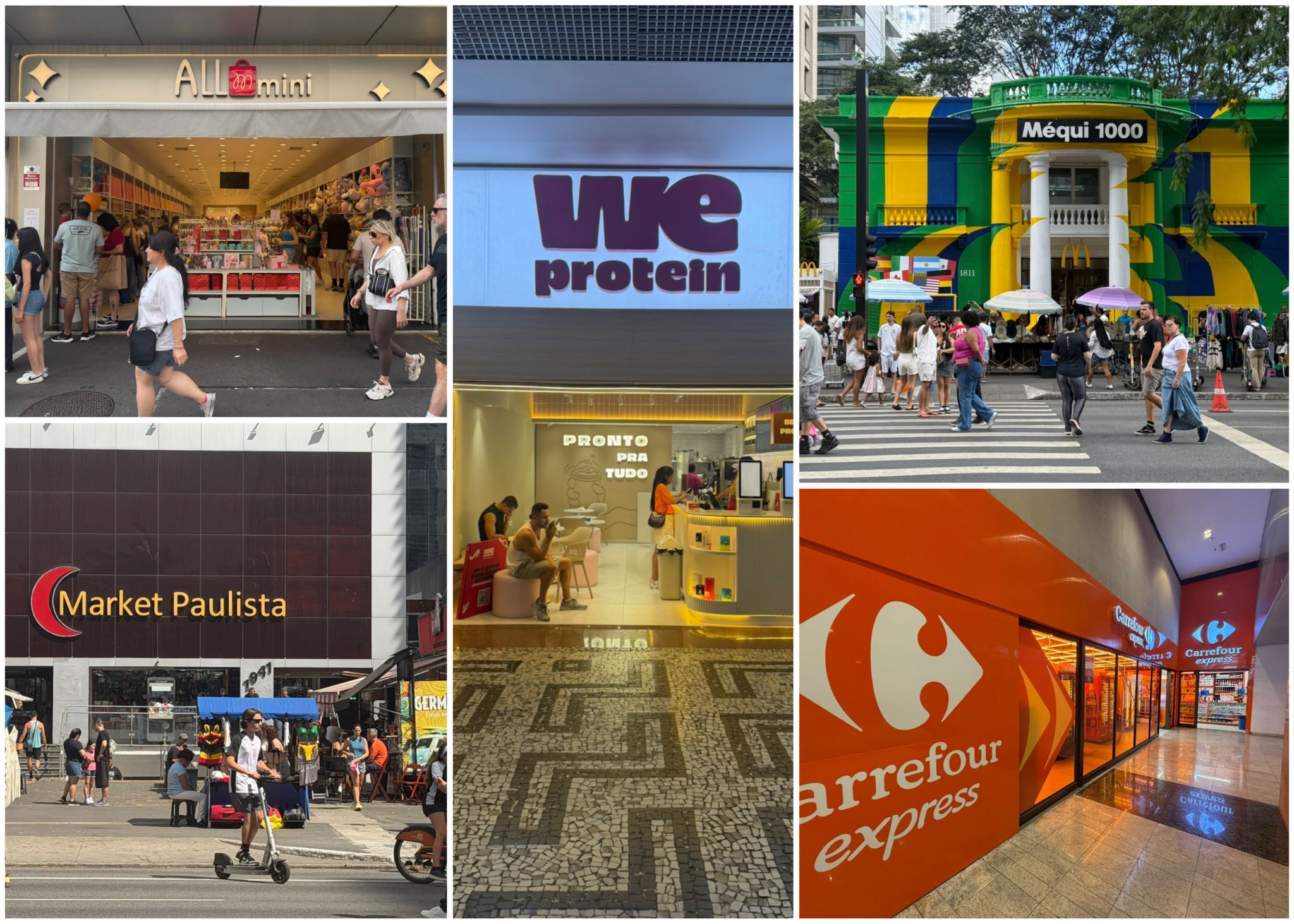
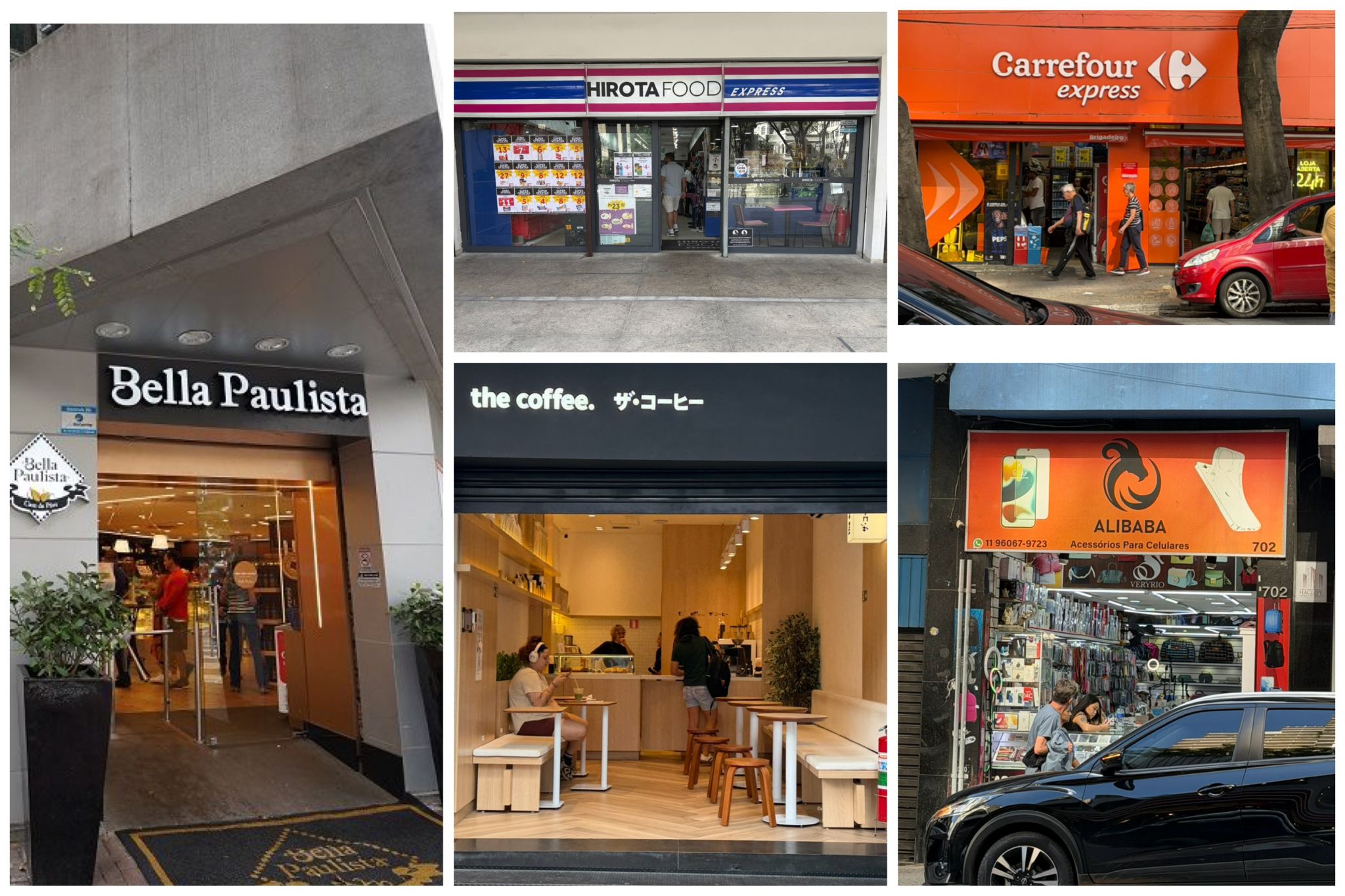
Carrefour Express represents perhaps the most recognisable version of urban convenience: compact, high-density and designed for frequent visits. Ready-to-eat food, meal solutions and an assortment adapted to everyday urban life make this proximity retail built around frequency.
Then there is Padaria Bella Paulista.
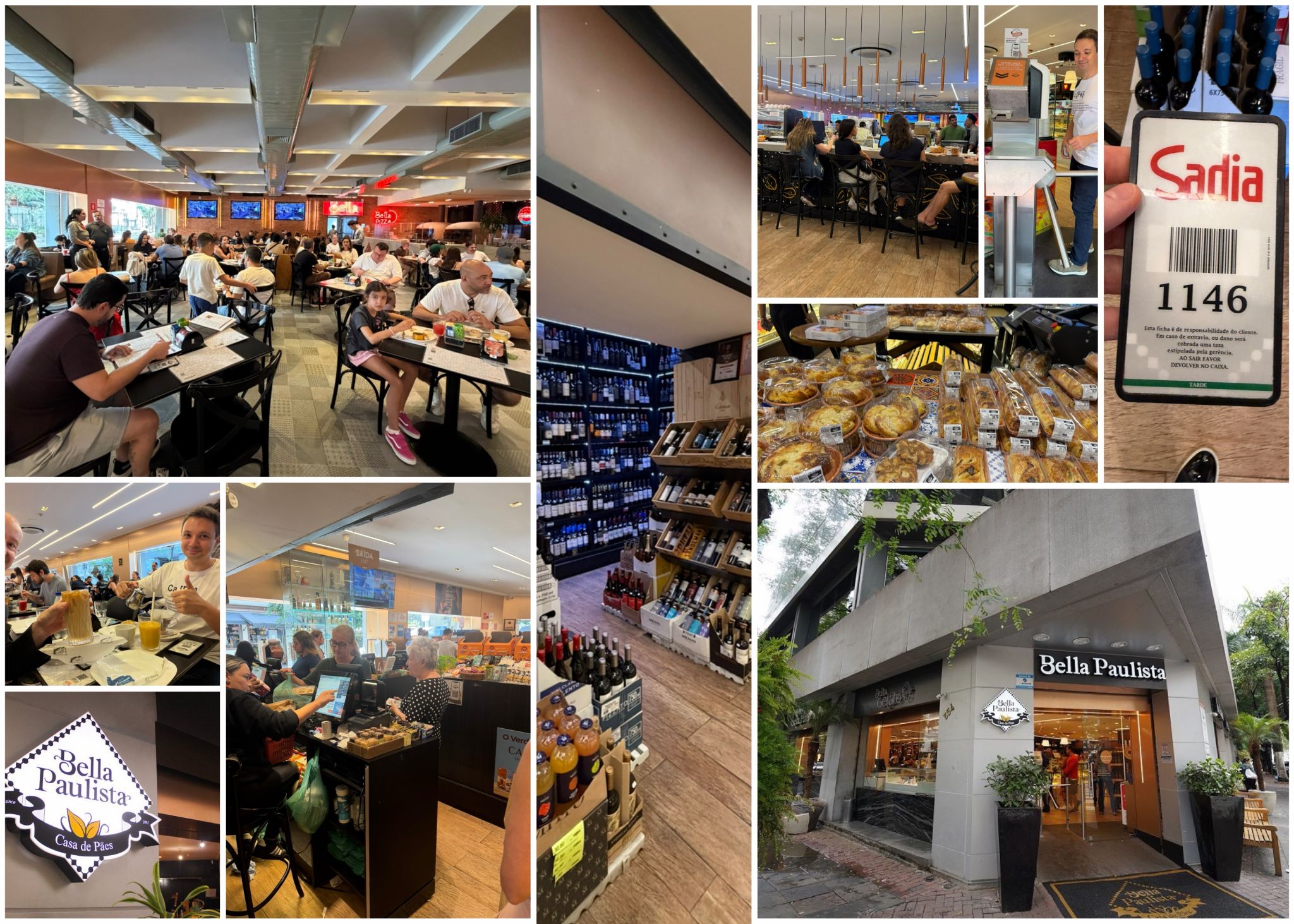
Calling it a bakery hardly does it justice. Open 24/7, it combines fresh bakery, breakfast, pizza, full meals, wine, a sports bar and convenience retail in one enormous food destination.
It illustrates something I saw repeatedly in Brazil: convenience doesn’t necessarily mean small or even fast.
Sometimes it means abundance + availability.
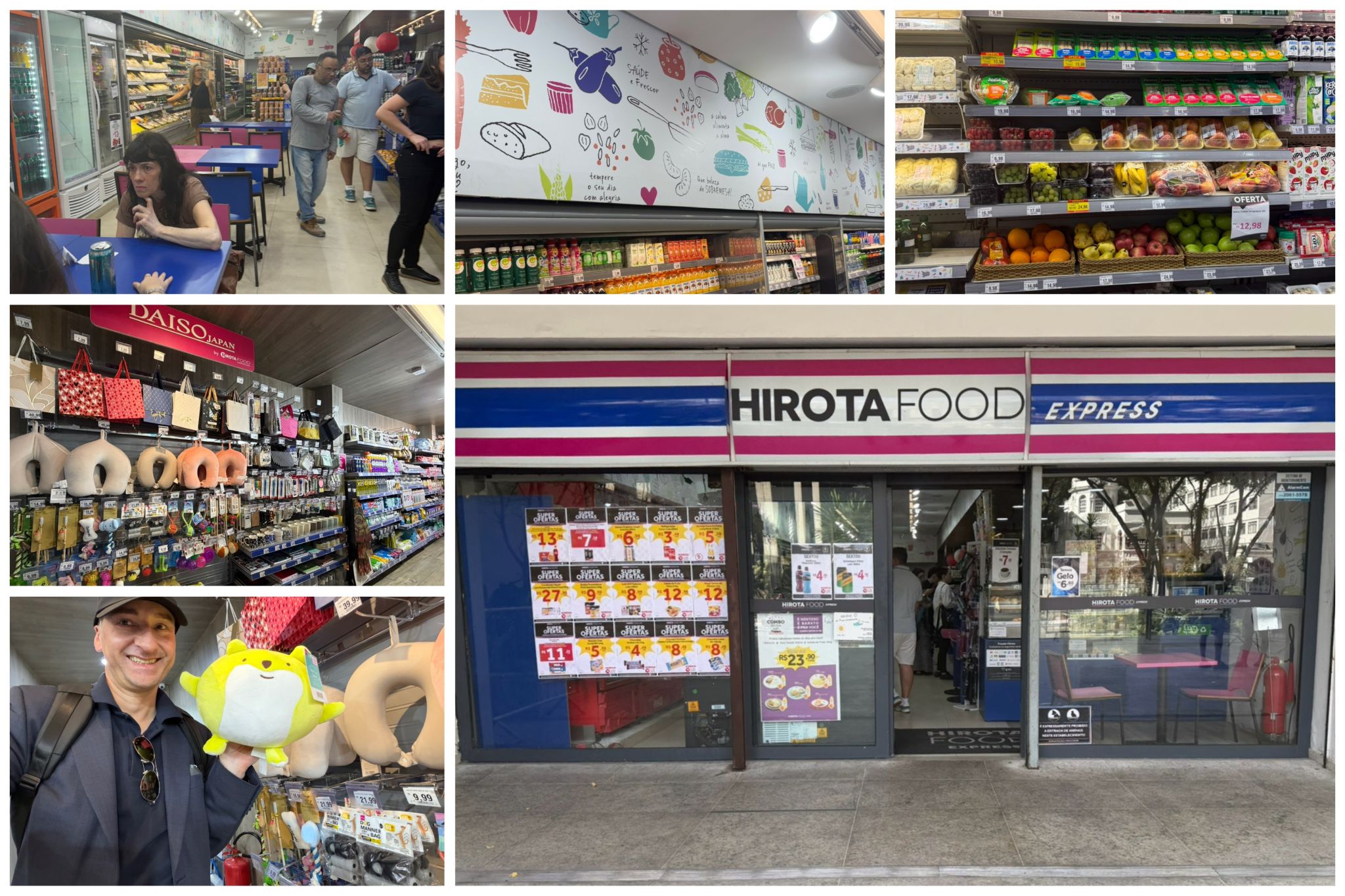
Hirota Food Express provides another interpretation. Japanese heritage meets Brazilian convenience through prepared food, private label and an offer built around quality and trust. Its relevance makes particular sense in São Paulo, home to a huge Japanese-Brazilian community.
And then there is The Coffee: tiny footprint, minimalist design, digital ordering and almost no friction.
Order. Pick up. Go.
Four concepts, all offering convenience. Almost nothing else about them is the same.
When the convenience store becomes a mobility ecosystem
Leave central São Paulo and the scale changes dramatically.
Some of the motorway travel centres I visited aren’t really convenience stores at all. They are infrastructure for mobility.
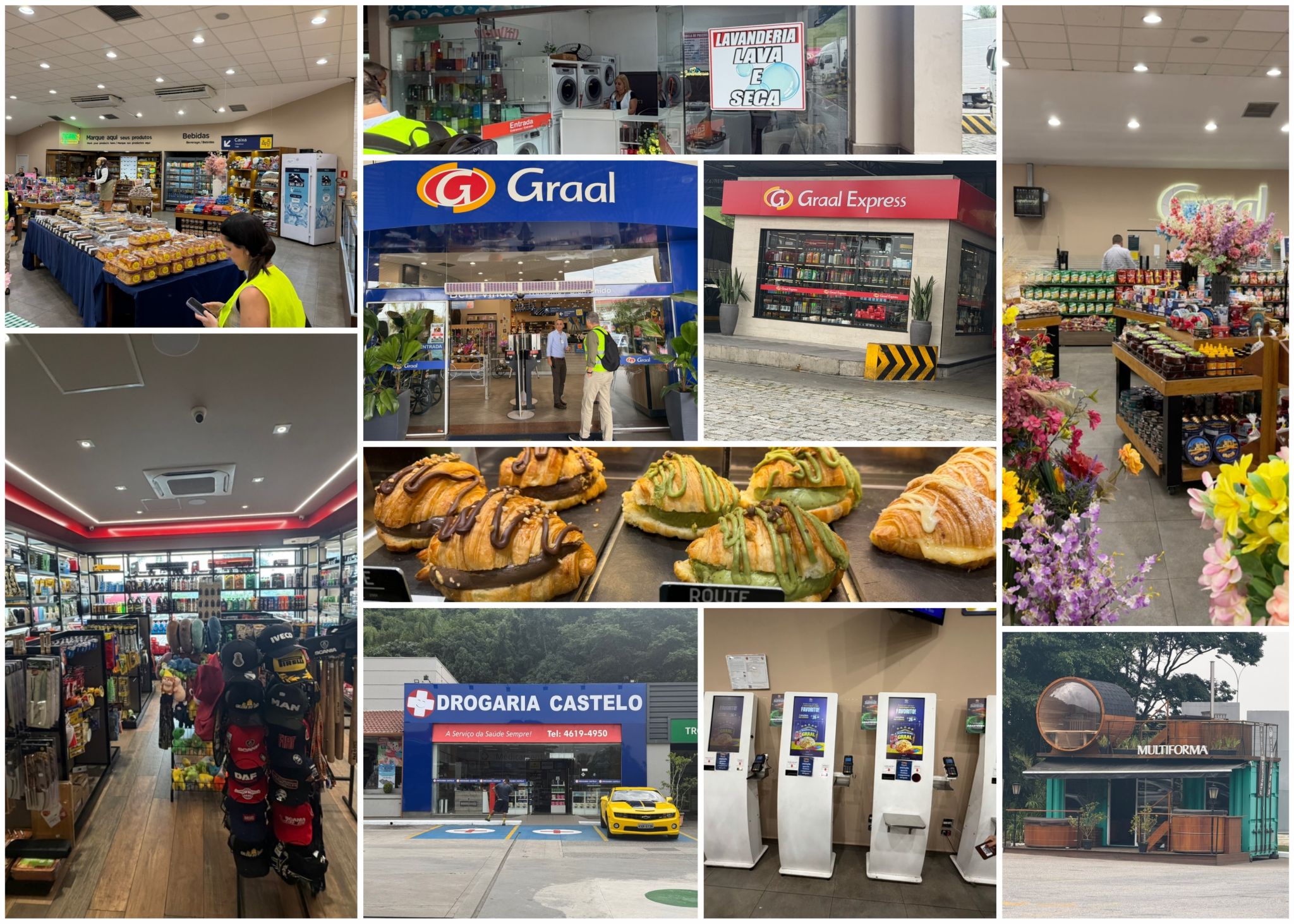
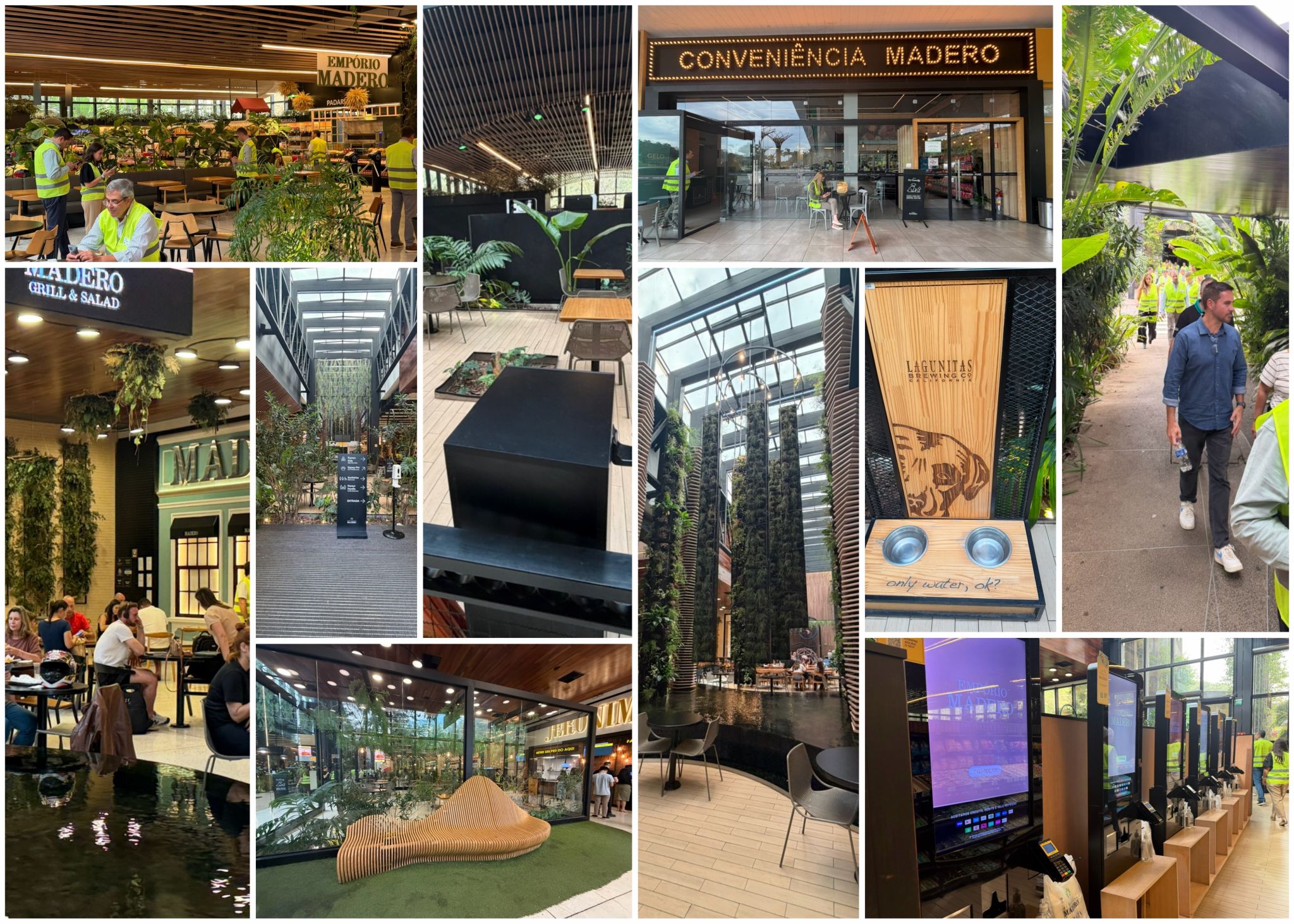
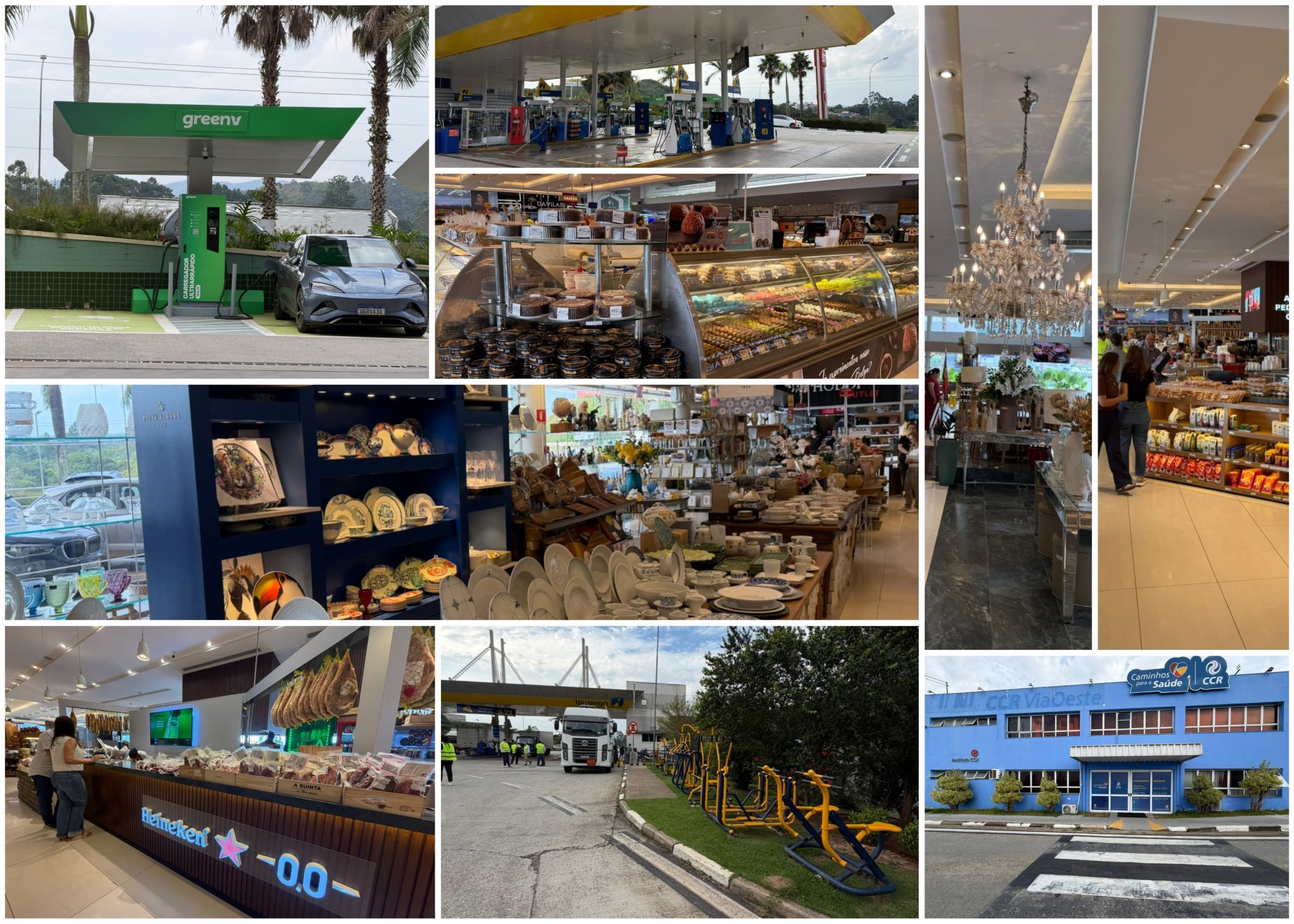
Sites such as Graal Barueri, Ecoparada Madero and Quinta do Marques are designed around multiple missions rather than a single transaction.
A customer might stop for three minutes for coffee or stay for 90 minutes over a meal. Professional drivers have different requirements from families and passenger-car customers. Foodservice ranges from grab-and-go and bakery through to full-service restaurants.
Fuel may bring the customer onto the site, but it is only one part of the commercial ecosystem.
At Graal Barueri, the scale is extraordinary: restaurants, bakery, retail and even a home store, with more than 1,000 seats and volumes that can reach around 20,000 customers on busy weekend days.
The lesson isn’t simply to add more things to a petrol station.
It is to orchestrate the different missions.
Architecture, customer flow, foodservice, parking, hygiene, retail and fuel all work together to determine why someone stops, how long they stay and how much of the site they use.
Retail needs to respond to context
Back in the city, Avenida Paulista offered an entirely different lesson.
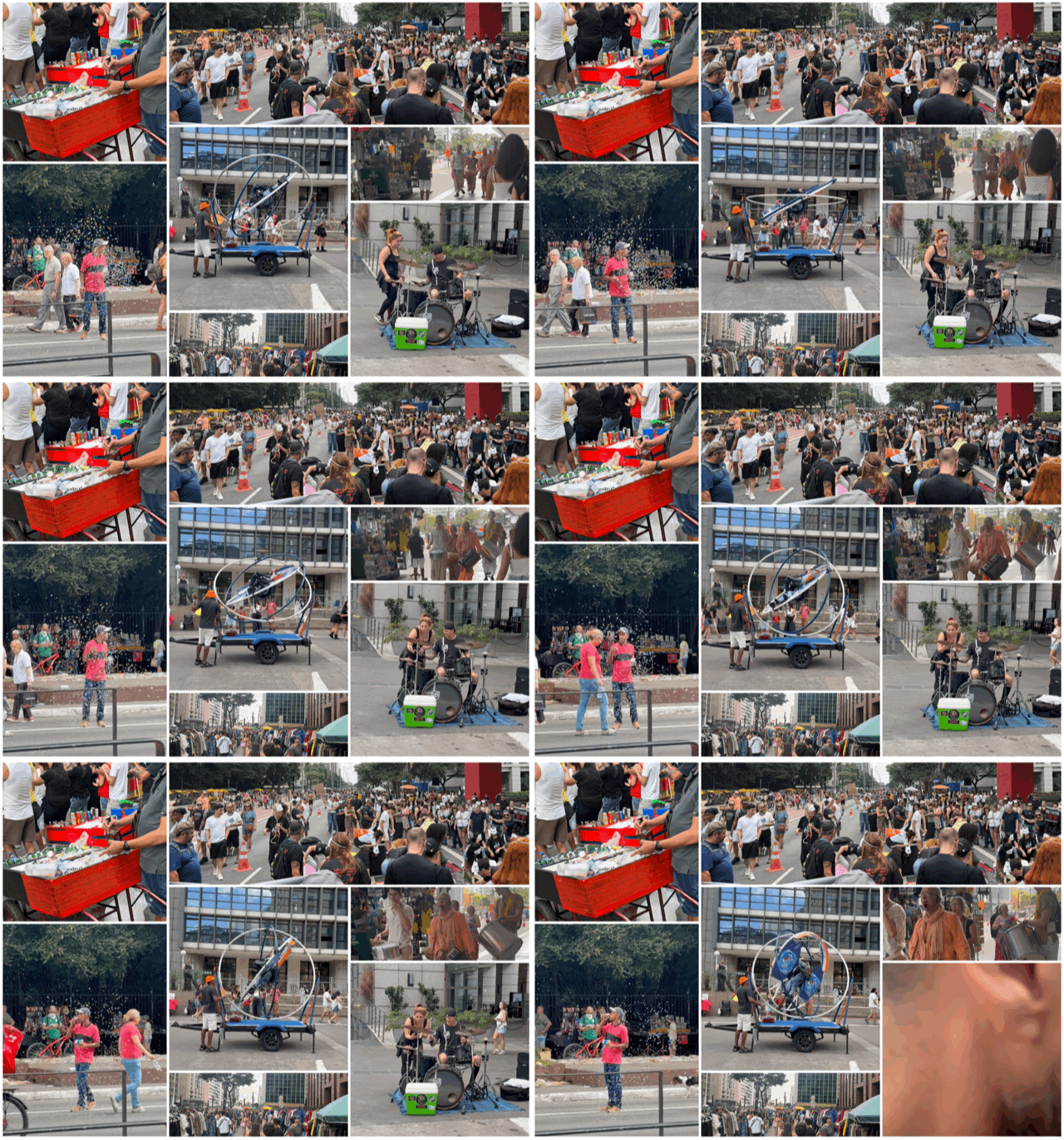
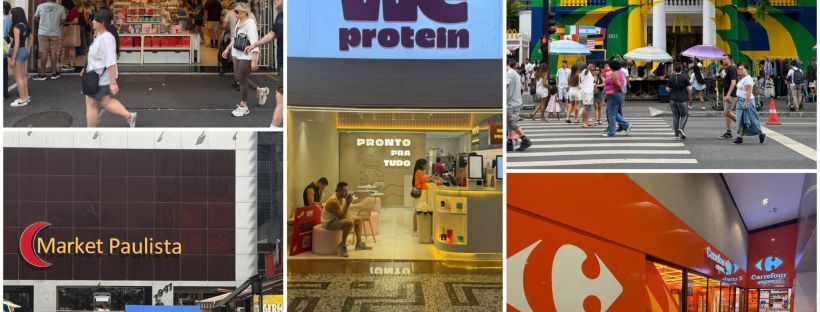
Every Sunday, the avenue closes to traffic and becomes a huge pedestrian environment filled with families, cyclists, performers and food vendors.
For retailers lining the street, that creates an extraordinary recurring change in customer context.
Yet what struck me was how little many stores appeared to change with it.
The street had transformed. Much of the retail hadn’t.
Stores were open, but there was little evidence of Sunday-specific offers, event-led promotions or retailers extending themselves into what was happening immediately outside their doors.
It was a reminder that retail isn’t just about location.
Increasingly, it is about context.
When the environment around a store changes, the opportunity for the store changes with it.
When the store isn’t really about selling
Some of São Paulo’s most interesting retail spaces push that idea much further.
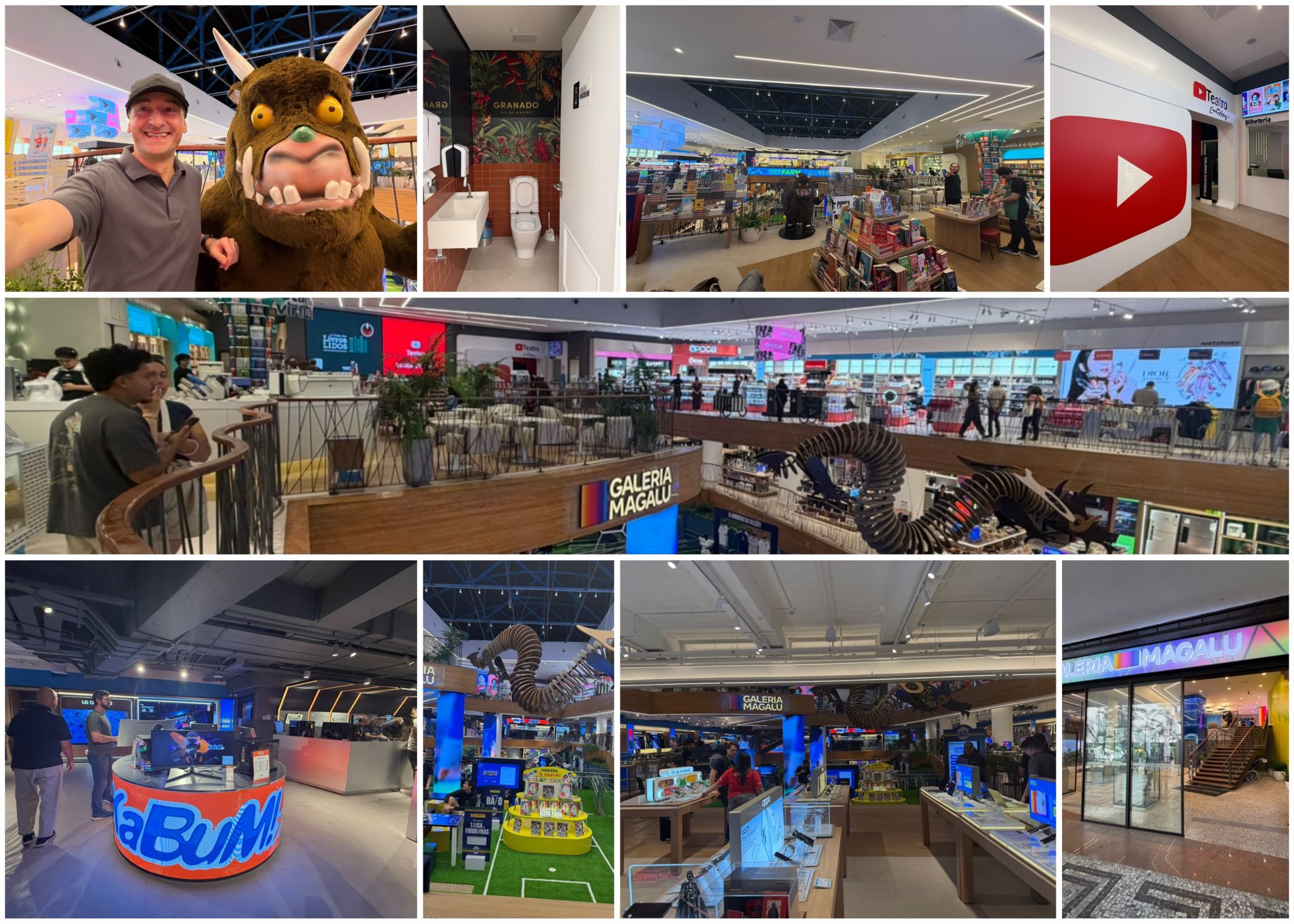
At Magalu Galeria, the physical store acts almost as an interface for a much larger digital ecosystem. Products can be discovered physically while transactions happen online, and the space creates engagement, data and media value.
The economics of the store therefore extend beyond what goes through the till.
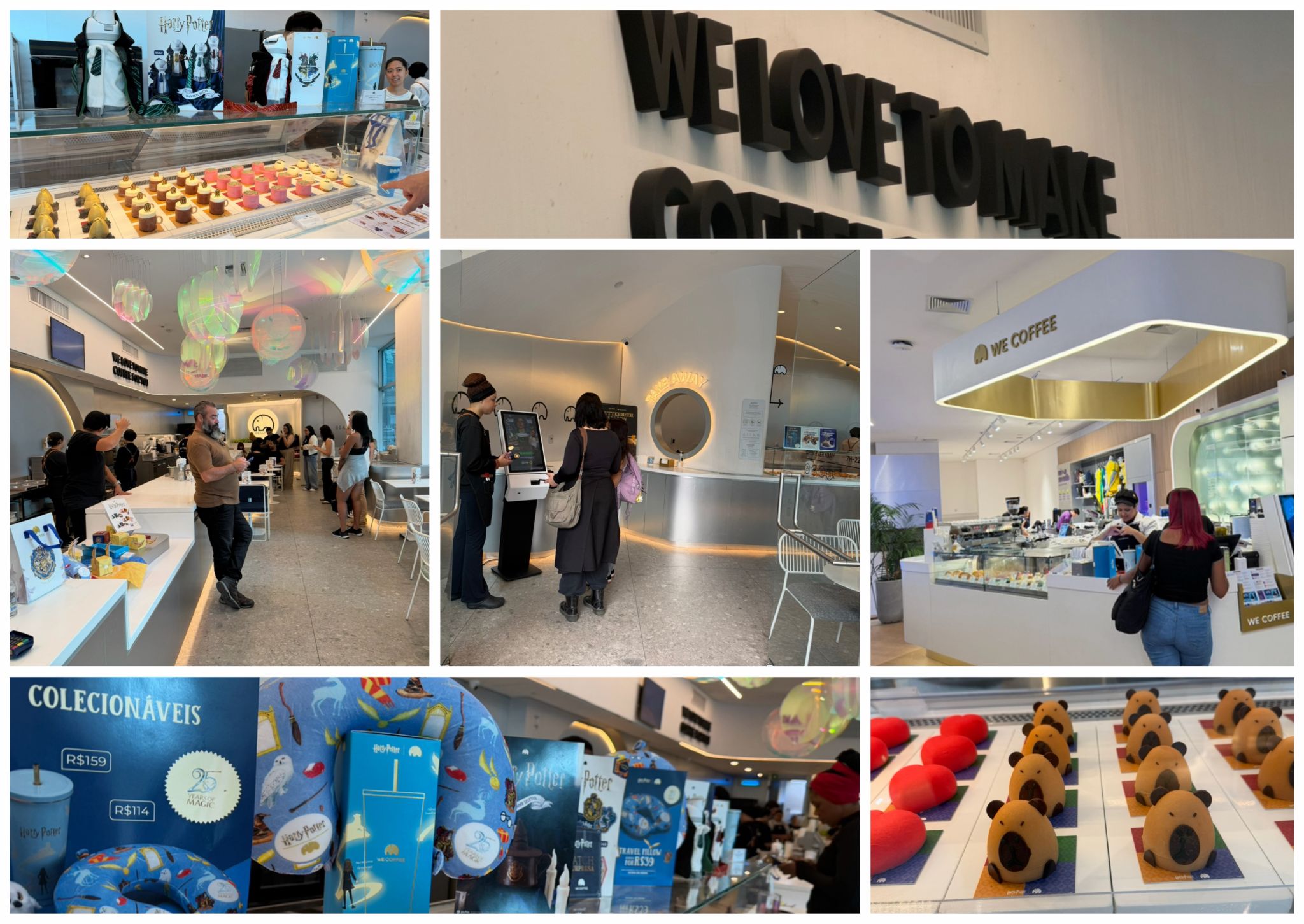
At We Coffee, the model moves in another direction: retail as content.
Highly visual interiors, playful products and pop-culture influences create an environment designed not only to be visited but photographed and shared.
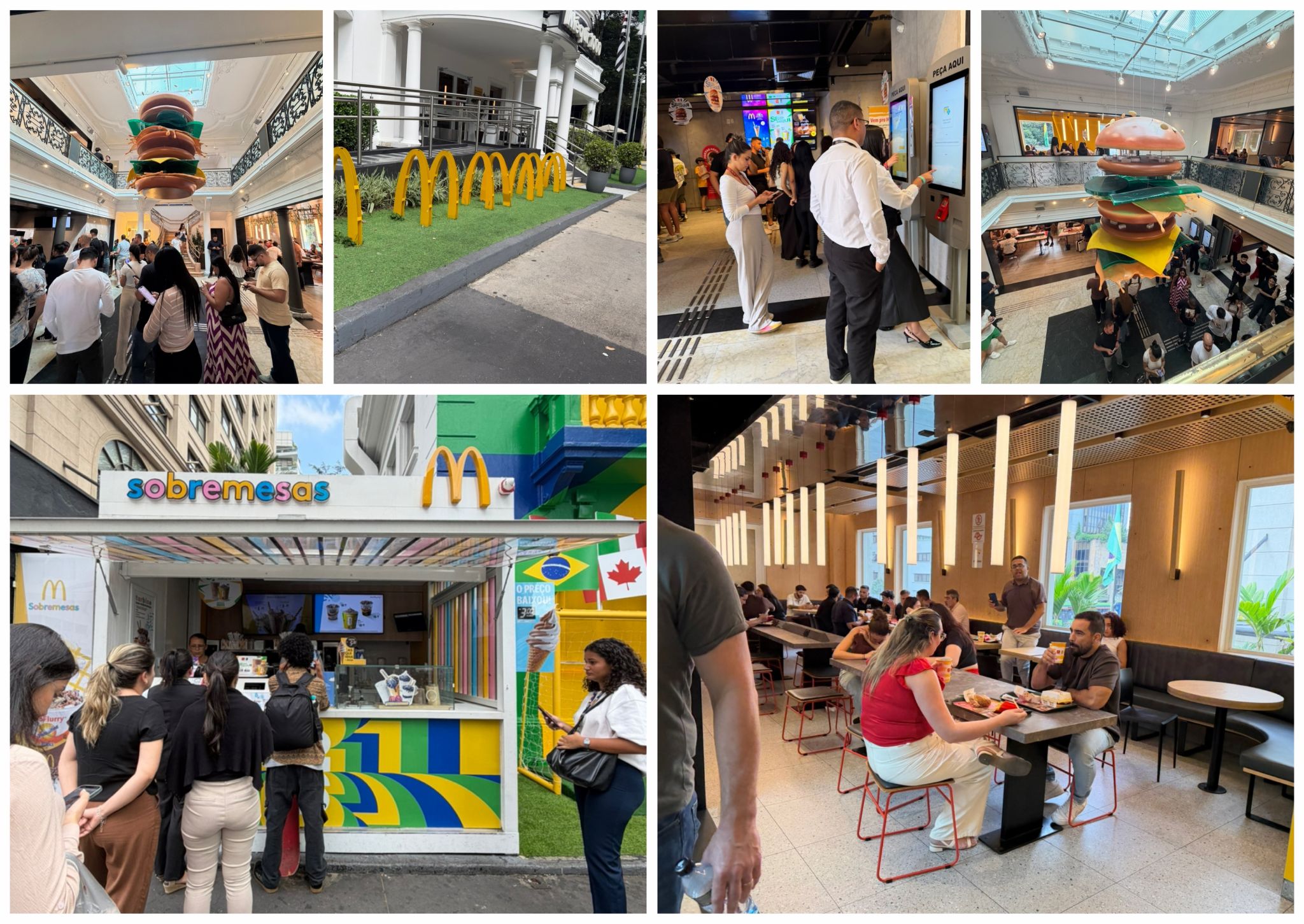
Méqui 1000 demonstrates the power of the flagship. A historic building becomes part restaurant, part brand statement and part attraction.
And Cidade Matarazzo takes the idea beyond an individual store altogether. Retail, hospitality, food, architecture, luxury and history combine to create a destination where the place itself generates the reason to visit.
From transaction to meaning
Put all of these examples together and São Paulo becomes an interesting laboratory for modern retail.
At one extreme, convenience is about removing friction: a tiny footprint, digital ordering and a coffee in your hand within minutes.
At another, it means providing almost everything a traveller could need in one enormous destination.
Elsewhere, the physical store becomes a media platform, an experience, a meeting place or part of a much larger destination.
There isn’t one winning format because there isn’t one customer mission.
What increasingly connects the best examples is their clarity about why the customer is there.
That may be speed.
It may be food.
It may be mobility.
It may be entertainment.
It may simply be the desire to spend time somewhere interesting.
Retail used to be relatively easy to define: a place where products are sold.
São Paulo provides plenty of evidence that this definition is becoming far too narrow.
The store can now be a transaction point, restaurant, media platform, mobility hub, social space, experience or destination.
Sometimes several of them at once.
And that’s precisely why I enjoy exploring cities like São Paulo.
There really is a story in every store.
#WitWiMark — Where in the World is Mark? Exploring the people, places and ideas shaping convenience retail around the world.